
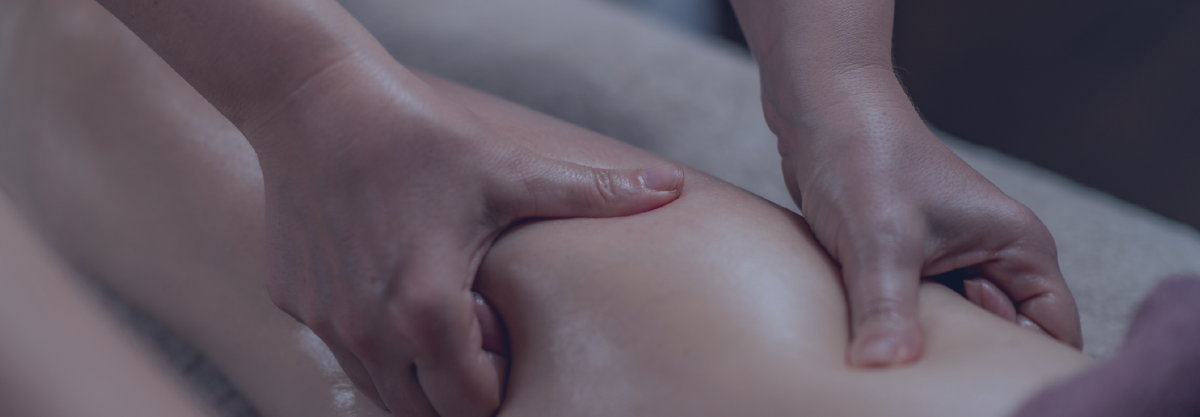
Manual Lymphatic Drainage
Manual Lymphatic Drainage (MLD) is a specialised massage technique designed to stimulate the lymphatic system and promote the movement of lymph fluid by pushing it out of the tissues, which helps reduce swelling and support overall lymphatic function. It involves gentle, rhythmic, and precise hand movements performed by trained professionals. MLD can be particularly beneficial during the intensive phase of lymphoedema treatment to enhance the speed of swelling reduction. It may also be used as part of ongoing maintenance to prevent fluid build-up.
Currently, MLD is not readily available in many areas. MLD is offered at Pioneer clinics by qualified MLD Lymphoedema Practitioners.
MLD may also benefit some people with lipoedema by helping to reduce any associated inflammation, relieve feelings of heaviness or discomfort, and improve tissue softness. While it does not treat the underlying adipose/fatty changes of lipoedema tissue, it can be a valuable part of a comprehensive management plan, particularly where secondary lymphoedema is present.
Benefits of MLD
- Encourages the movement of lymph fluid and reduces swelling.
- May reduce feelings of heaviness, tightness, and discomfort.
- Can improve skin and tissue condition.
- May help soften areas of hardened tissue (fibrosis).
- Promotes relaxation and wellbeing.
When MLD is used
MLD may be recommended during the intensive phase of treatment to reduce swelling more quickly, following surgery or cancer treatment where appropriate, or as part of long-term management to help maintain limb volume and control symptoms. Some patients choose to have semi-regular sessions, i.e monthly and some patients book sessions around activities they know may cause a flare up such as long travel or warmer weather.
How treatment sessions work
Treatment is provided by a trained MLD practitioner using light, rhythmic hand movements that follow the direction of lymph flow. Typically, the top of the affected limb is cleared first before moving on to focus on the problem area. You may also be asked to complete certain limb movements to stimulate node drainage. Sessions typically last 30–60 minutes, depending on the area being treated, and are tailored to your individual needs.
Integration with other therapies
MLD is most effective when used as part of a comprehensive treatment programme. This may include compression therapy, exercise, skin care, self-management techniques, and weight management where appropriate. Your clinician will advise which combination of treatments is most suitable for you.

“I had an appointment at Pioneer Crawley & was very impressed by the treatment I received. Aaron, Sam & Katie were very pleasant & helpful, also the tests on my leg were thorough & well explained.
I now feel hopeful that at last the lymphoedema in my right leg can be helped.”
– Janet

Whether you or a loved one is dealing with Primary or Secondary Lymphoedema, we’re here to help.

FAQs
While lymphoedema is generally not curable, it can be effectively managed, and swelling can be controlled. For lower limbs, regular use of compression garments or wraps is often necessary due to the effects of gravity. However, it may be possible to optimise oedema management to the point where compression is not always required, or short breaks—such as for special occasions—can be achieved, though daily use is typically preferable for consistent control.
For oedema affecting other areas, such as the head, neck, breast, or arms, compression garments may not always be necessary. Instead, we can support you in learning self-massage techniques and targeted exercises to manage swelling, using compression as needed.
The first sign of oedema is often swelling in the ankle or back of the hand, which typically resolves with rest and elevation overnight. Affected areas may feel sore, warm, irritated, or appear darker in skin tone. Over time, the swelling can become persistent, firmer, does not go away overnight and changes in the skin can be seen. Addressing this early provides more treatment options, but even in advanced cases, significant improvements can often still be achieved.
A build-up of fluid (water and proteins) in the skin tissues that does not go away with rest and elevation.
This swelling can appear anywhere on the body, this can include the face, chest, groin, genitals, arms and legs. This can be hereditary or as a result of other treatments/surgery. This is often a poorly diagnosed condition; we can help with this diagnosis and treatment.
“I wanted to pass on my thanks to the nurse that has been looking after me at pioneer.
The Nurse has gone above and beyond in clinic and makes me feel comfortable. She is very special makes me feel comfortable and supported on every visit – She is one in
a million”
– Lee